What the NBNL motorcycle weather does
How the rideability score works
Unlike an ordinary weather report, NBNL rates the weather from a motorcyclist’s point of view. The rideability score of 1 to 10 combines temperature, rain probability and volume, wind gusts and the overall weather situation into a single number:
- 8–10 — top: dry, mild, little wind. Time for a proper tour.
- 5–7 — rideable with limitations: cool, changeable or hot — shorter loop, suitable gear, mind the timing.
- 1–4 — better leave it parked: Wet roads, storms, frost or severe weather. Little grip, high risk.
For today, the picture is also broken down hour by hour: how long it stays dry, when rain sets in and whether it will be short showers or steady rain. On borderline days, the weather compass additionally shows which compass direction is likely to stay dry.
When you had better not ride
- Snow and freezing rain — the road can turn slippery in an instant.
- Thunderstorms and hail — hail is dangerous and damages the bike.
- Heavy rain — poor visibility and considerably less grip.
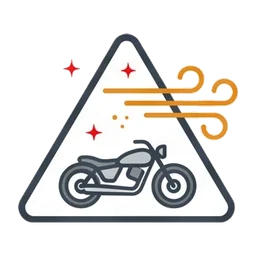
- Storm gusts from around 60 km/h — crosswind is hard to control on two wheels.
- Frost and wet autumn leaves — treacherous early in the day, in the shade and on bridges.
Rideability score, forecast and the radar nowcast are computed automatically from weather models. They are non-binding and do not replace an official weather warning — the current warning situation is published by the Deutscher Wetterdienst. Whether and how you ride is your decision; always adapt speed, gear and route to the actual conditions.
Data sources: forecast © Open-Meteo (CC BY 4.0, incl. DWD-ICON) · rain radar © EUMETNET OPERA (CC BY 4.0), via LibreWXR · wind field © Open-Meteo / DWD ICON (CC BY 4.0) · satellite image © NASA GIBS / MODIS · rideability rating: NBNL.
What makes a motorcycle weather service different
An ordinary weather app describes the weather. On two wheels a different question counts: what does it mean for grip, visibility, cold and crosswind — and when is the window that works?
| Topic | Ordinary weather app | NBNL motorcycle weather |
|---|---|---|
| The question behind it | What will the weather be like? | Can I ride — and when is it best? |
| Rating | Degrees, millimetres, per cent | Rideability score 1–10 from a rider’s point of view, from temperature, rain, gusts and the weather situation |
| Timing | Forecast per hour or per day | Best riding window per day across seven days, with the reasoning |
| Wind | Mean wind | Gusts and crosswind across your direction of travel — including the point on the route where it pushes hardest |
| Road surface | not covered | Tarmac temperature, grip advice and a warning about the first rain after a long dry spell (oil film) |
| Official warnings | depends on the app | Severe-weather warnings from the Deutscher Wetterdienst, above our own rating |
| Gear | not covered | Clothing advice plus the temperature it feels like at 100 km/h of headwind |
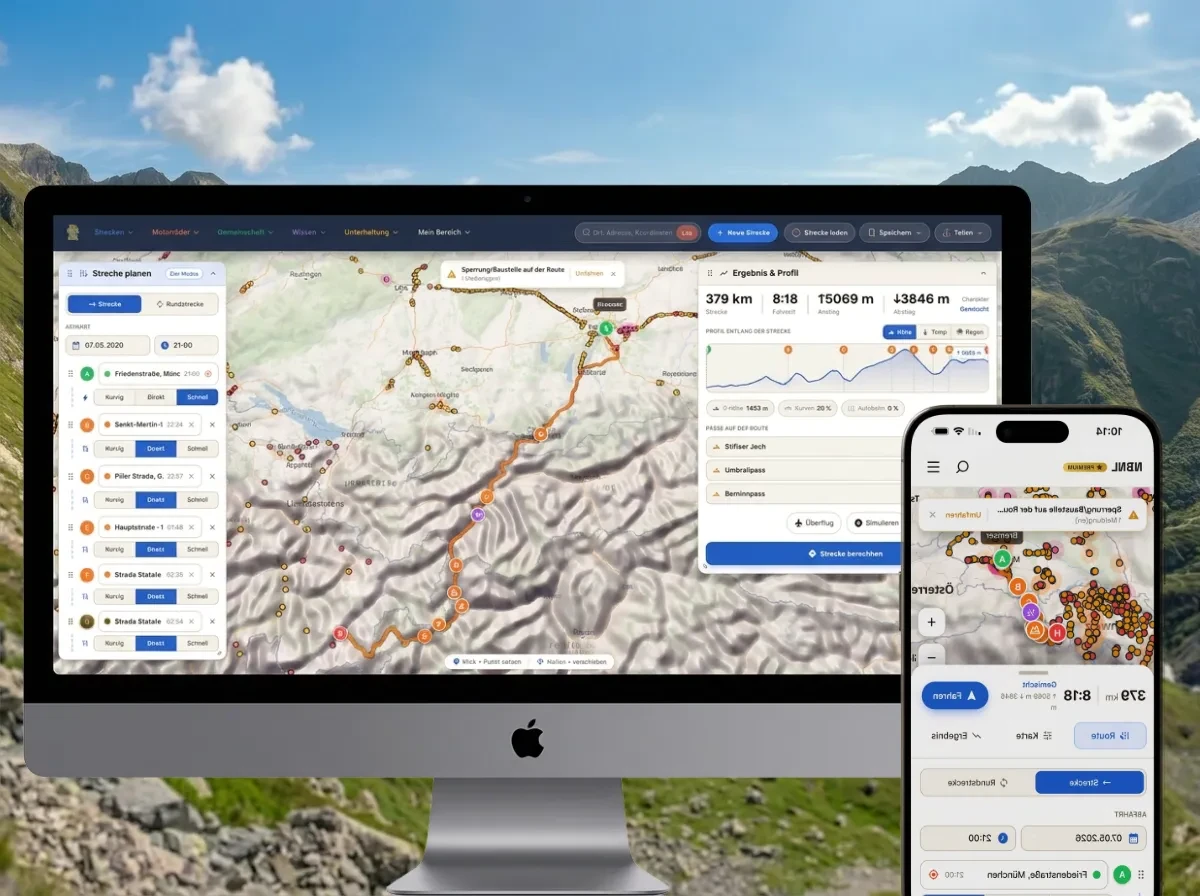
| Route | one location | Weather along the whole route at the time you will pass each point, plus a comparison of several departure times |
Frequently asked questions about motorcycle weather
Is it motorcycle weather today?
Enter your location above — NBNL rates the weather from a rider’s point of view with a rideability score from 1 to 10. From 8 upwards it is top riding weather (dry, mild, little wind), 5–7 means rideable with limitations, below 5 you had better leave the bike parked. For today, the picture is also broken down hour by hour: how long it stays dry and when rain sets in.
What does the rideability score from 1 to 10 mean?
The score combines temperature, rain probability and volume, wind gusts and the weather situation into one number for motorcyclists. 8–10: dry and mild, an ideal tour. 5–7: cool, changeable or hot — shorter loop, suitable gear. 1–4: wet roads, storms, frost or severe weather with little grip and high risk.
At what temperature should you stop riding a motorcycle?
From around 7 °C downwards the tyres warm up only slowly and grip drops — the motorcycle weather marks this with a blue thermometer. In frost (below 0 °C) there is a risk of ice, especially early in the day, in the shade and on bridges. Above 30 °C the page warns about heat: drink plenty, wear ventilated protective gear and avoid the midday heat.
In what weather should you not ride a motorcycle?
Do not ride in snow and freezing rain (the road can turn slippery in an instant), in thunderstorms and hail, in heavy rain (poor visibility, little grip) and in storm gusts from around 60 km/h, because crosswind is hard to control on two wheels. Wet autumn leaves are treacherous too.
What is the weather compass?
The weather compass shows for all eight compass directions where a ride is worth it today. Within the chosen radius (100, 200 or 300 km) each direction gets a well-known town with its rideability score for today. That is how you find, on borderline days, the direction that is likely to stay dry.
How accurate is the motorcycle weather forecast?
The forecast comes from Open-Meteo (Deutscher Wetterdienst and other models), the rain radar from the European radar network EUMETNET OPERA and the wind field from the DWD model ICON. The forecast reaches seven days ahead; for today it is broken down hour by hour. The frames after “now” in the rain radar are an automatic short-term forecast (nowcast). All information is without warranty and does not replace an official DWD weather warning. For the whole tour, check the weather along the route in the NBNL route planner.
What the weather icons mean
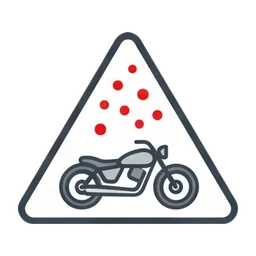
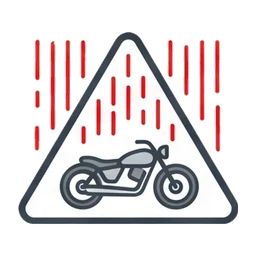
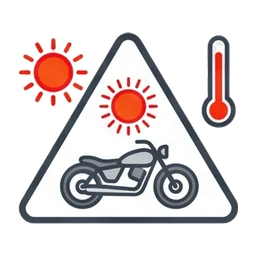
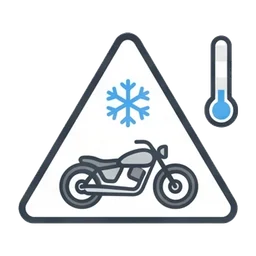
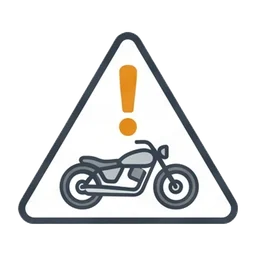
Every icon shows the weather from a rider’s point of view — grouped from “best riding weather” to “warning”. The motorcycle silhouette stays the same; sky, precipitation and a thermometer tell you at a glance what to expect.
Best riding weather

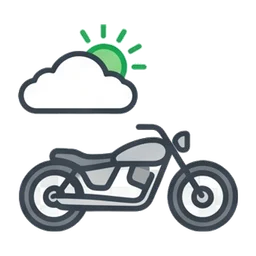
Good weather
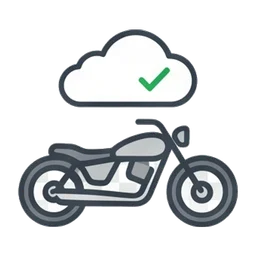
Ok — rideable with limitations
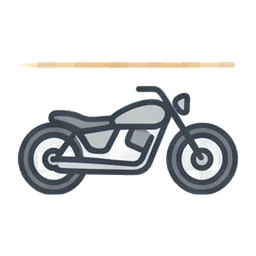
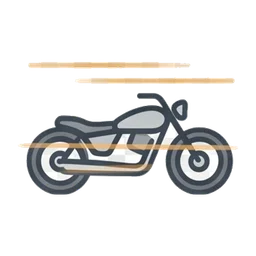
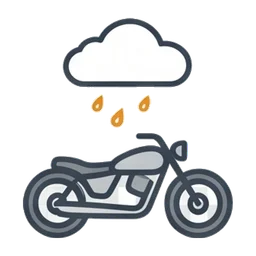
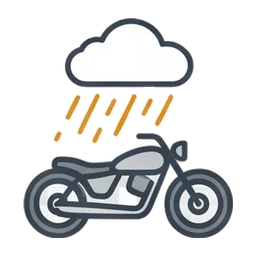
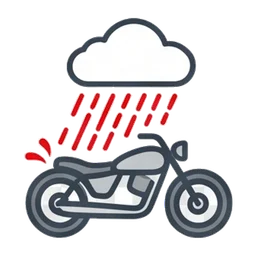
Bad weather — better leave it parked
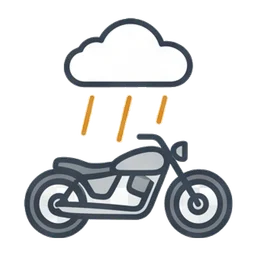
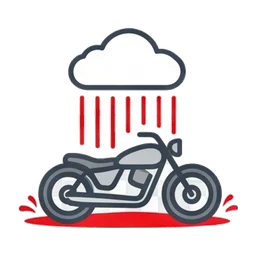
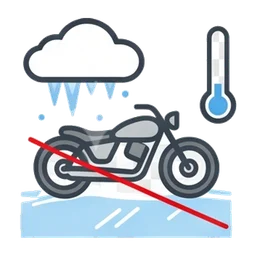
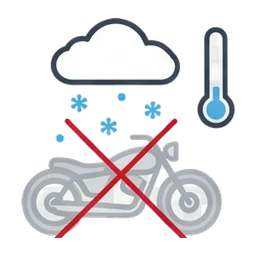
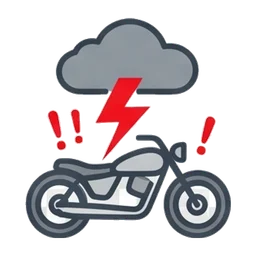
Warnings (warning triangle)
Temperature display (thermometer on the bike)
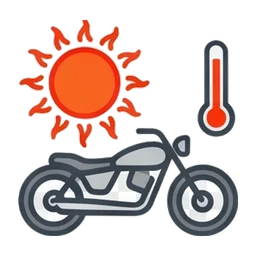
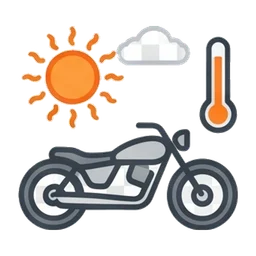
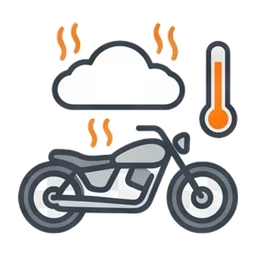
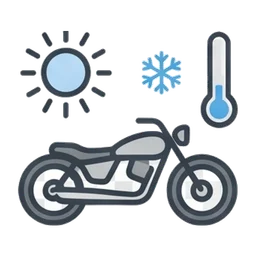
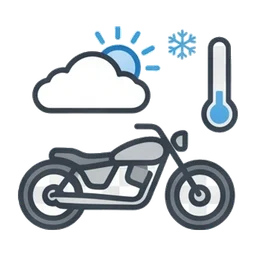
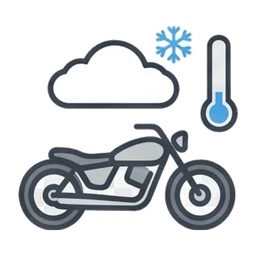
In addition, a thermometer on the bike marks temperature extremes: red from 30 °C (heat), blue at 7 °C and below (cold) — combined with the matching sky icon.